Testing

Testing

Micro

Micro testing, or microstructure analysis, examines materials at the microscopic level to assess grain structure, phase distribution, inclusions, and defects. This analysis helps determine material properties, heat treatment effectiveness, and potential failure causes. Commonly used in metallurgy, aerospace, automotive, and manufacturing, micro testing ensures product quality, supports R&D, and aids in root cause analysis during failure investigations.

Micro Read More »

AC Withstand Test

The AC Withstand Test, also known as the dielectric strength test, assesses the ability of electrical insulation to endure high alternating voltage without breaking down. This test is crucial for verifying insulation integrity in cables, transformers, switchgear, and other electrical equipment. It ensures safety, reliability, and compliance with industry standards by identifying weaknesses or defects that could lead to failures under normal operating conditions.

AC Withstand Test Read More »

Insulation Resistance Test

The Insulation Resistance Test is a crucial electrical test that measures the resistance offered by insulating materials to current leakage. It helps detect deterioration, moisture ingress, or damage in cables, motors, transformers, and electrical installations. Using a megohmmeter, this test ensures equipment safety, prevents electrical hazards, and supports compliance with industry standards. Regular testing extends equipment life and enhances operational reliability.

Insulation Resistance Test Read More »

NDT-LT

Leak Testing (LT) is a non-destructive testing method used to detect and locate leaks in sealed systems, components, or vessels. It employs techniques such as pressure decay, vacuum, bubble, and tracer gas methods to identify leakage paths that could compromise performance or safety. Commonly used in industries like aerospace, automotive, medical devices, and pipelines, LT ensures product integrity, regulatory compliance, and operational reliability without damaging the tested item.

NDT-LT Read More »

NDT-ET

Eddy Current Testing (ET) is a non-destructive testing method used to detect surface and near-surface flaws in conductive materials. It works by inducing electrical currents (eddy currents) into the material and measuring their response to detect cracks, corrosion, or material inconsistencies. ET is widely used in aerospace, automotive, power, and manufacturing industries due to its accuracy, speed, and ability to inspect complex shapes without damaging the test object.

NDT-ET Read More »

Compression Test

A compression test determines the load-bearing capacity and strength of materials such as concrete, metals, and composites by applying axial force until failure. It is widely used in construction, manufacturing, and material science to assess structural integrity and compliance with industry standards. Accurate compression testing ensures quality control, safety, and durability in projects such as buildings, roads, bridges, and industrial structures.

Compression Test Read More »

Civil Testing

Civil testing involves evaluating construction materials like soil, concrete, cement, aggregates, and asphalt to ensure they meet engineering and safety standards. It plays a vital role in quality control, structural integrity, and regulatory compliance throughout infrastructure and building projects. Accurate civil testing prevents failures, optimizes design decisions, and supports long-term durability in roads, bridges, buildings, and industrial construction.

Civil Testing Read More »

NDT

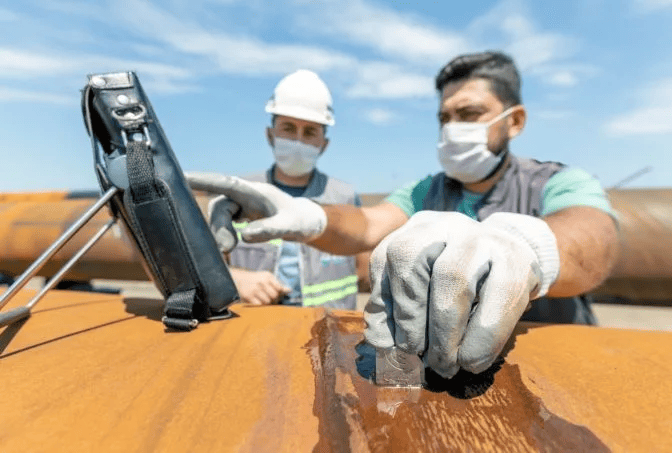
Non-Destructive Testing (NDT) inspects materials, structures, and components for defects without causing damage. Techniques like ultrasonic, radiographic, magnetic particle, liquid penetrant, eddy current, and visual testing help detect flaws early, ensuring safety, reliability, and compliance. NDT is widely used in industries like aerospace, oil & gas, power, construction, and manufacturing to maintain quality, prevent failures, and reduce operational risks.

NDT Read More »

Mechanical

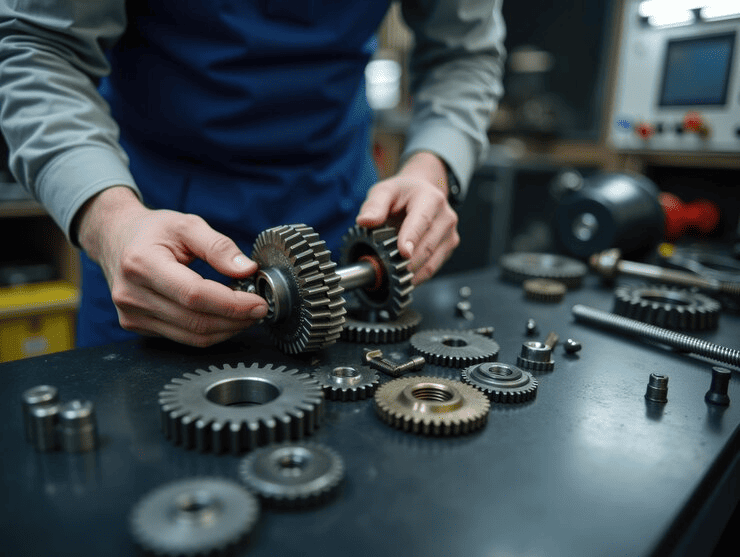
Mechanical engineering focuses on the design, analysis, manufacturing, and maintenance of mechanical systems. It applies principles of physics, materials science, and mathematics to develop machines, tools, and equipment. Key areas include thermodynamics, fluid mechanics, mechanics of materials, and robotics. Mechanical solutions are essential in industries like automotive, aerospace, manufacturing, energy, and construction, ensuring efficiency, safety, and innovation.

Mechanical Read More »

Follow Us

swachh_bharat
made_in_india
beti_bachao
75th independence day
swachh_bharat
made_in_india
beti_bachao
75th independence day

2025. Copyright sixsigma-tqm.in