Mechanical

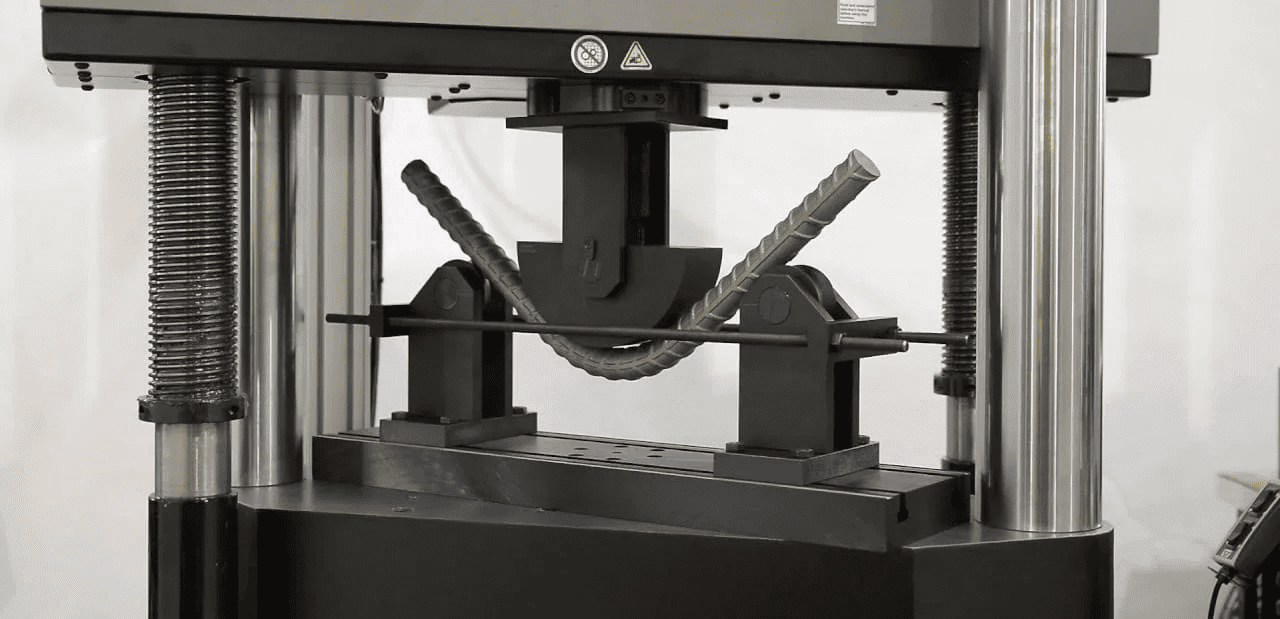
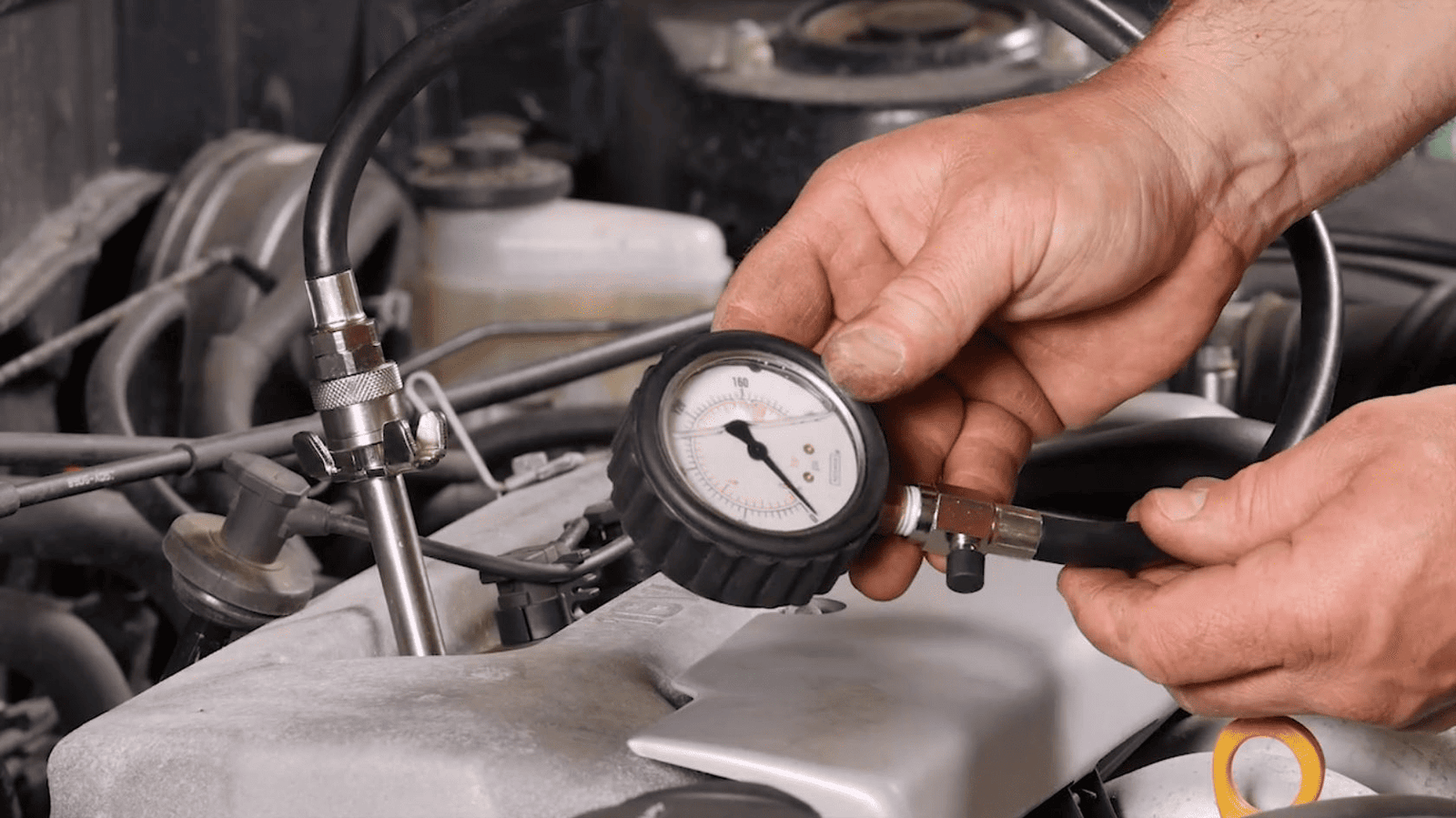
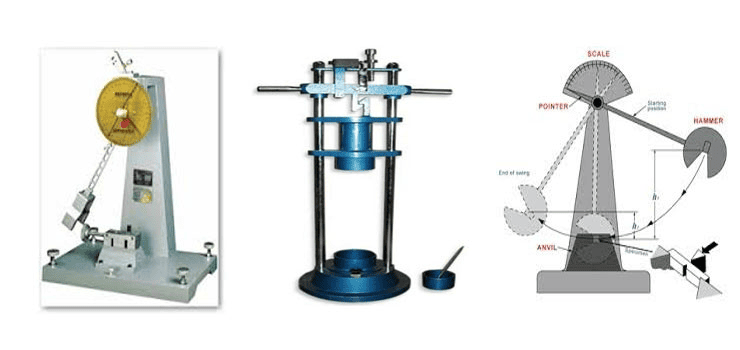
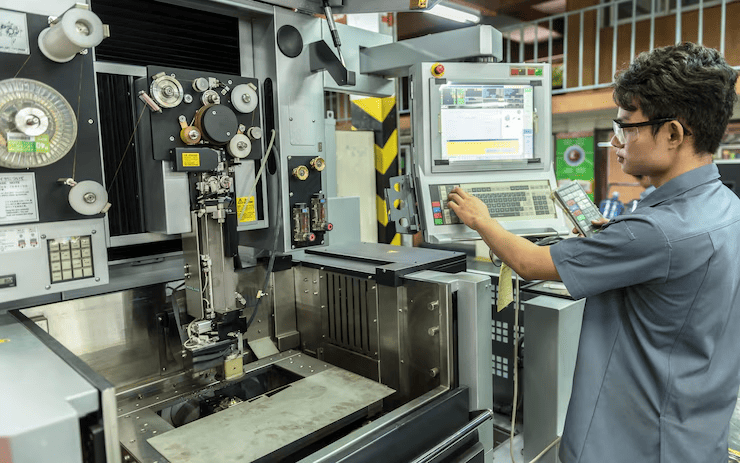
The term “Mechanical” refers broadly to anything involving machinery, motion, or the application of physical forces and mechanical principles. It plays a foundational role in engineering, industrial design, manufacturing, and maintenance. The field encompasses the design, production, operation, and servicing of mechanical systems and devices—from small tools and engines to large industrial machines and infrastructure.


đź§° Key Areas in the Mechanical Domain:

  1. Mechanical Engineering

    • The branch of engineering focused on the design, analysis, and manufacturing of mechanical systems. It applies principles of physics, mathematics, and material science to solve real-world problems related to motion and energy.

  2. Mechanical Systems

    • Systems that use mechanical elements (e.g., gears, levers, pistons) to perform work. Examples include internal combustion engines, HVAC systems, elevators, and hydraulic machines.

  3. Mechanical Components

    • Parts that make up mechanical systems, such as bearings, shafts, gears, springs, pulleys, and fasteners. These components are essential for converting energy into useful mechanical work.

  4. Mechanical Maintenance

    • The process of inspecting, servicing, and repairing machines to ensure optimal performance and avoid breakdowns. This includes lubrication, alignment, calibration, and part replacement.

  5. Mechanical Calibration

    • The process of ensuring that mechanical measuring tools (e.g., vernier calipers, micrometers) are accurate and meet defined standards. It ensures precision in manufacturing and quality control.

Follow Us

swachh_bharat
made_in_india
beti_bachao
75th independence day
swachh_bharat
made_in_india
beti_bachao
75th independence day

2025. Copyright sixsigma-tqm.in