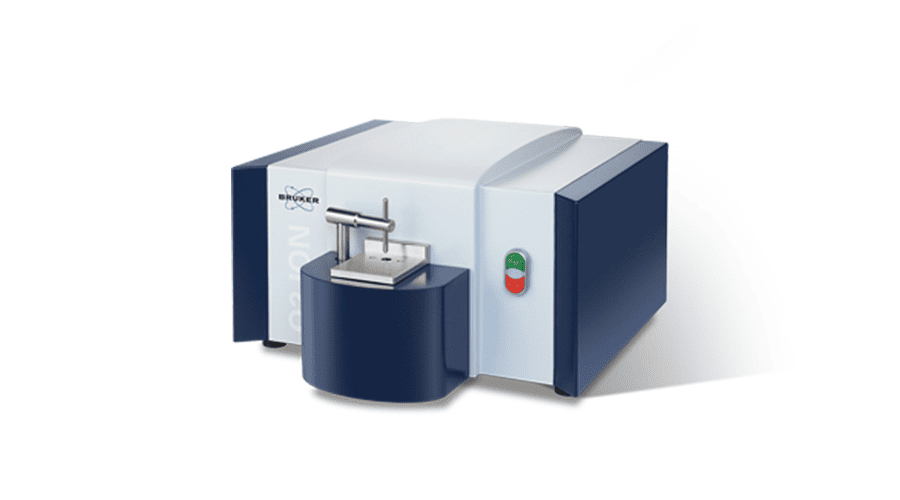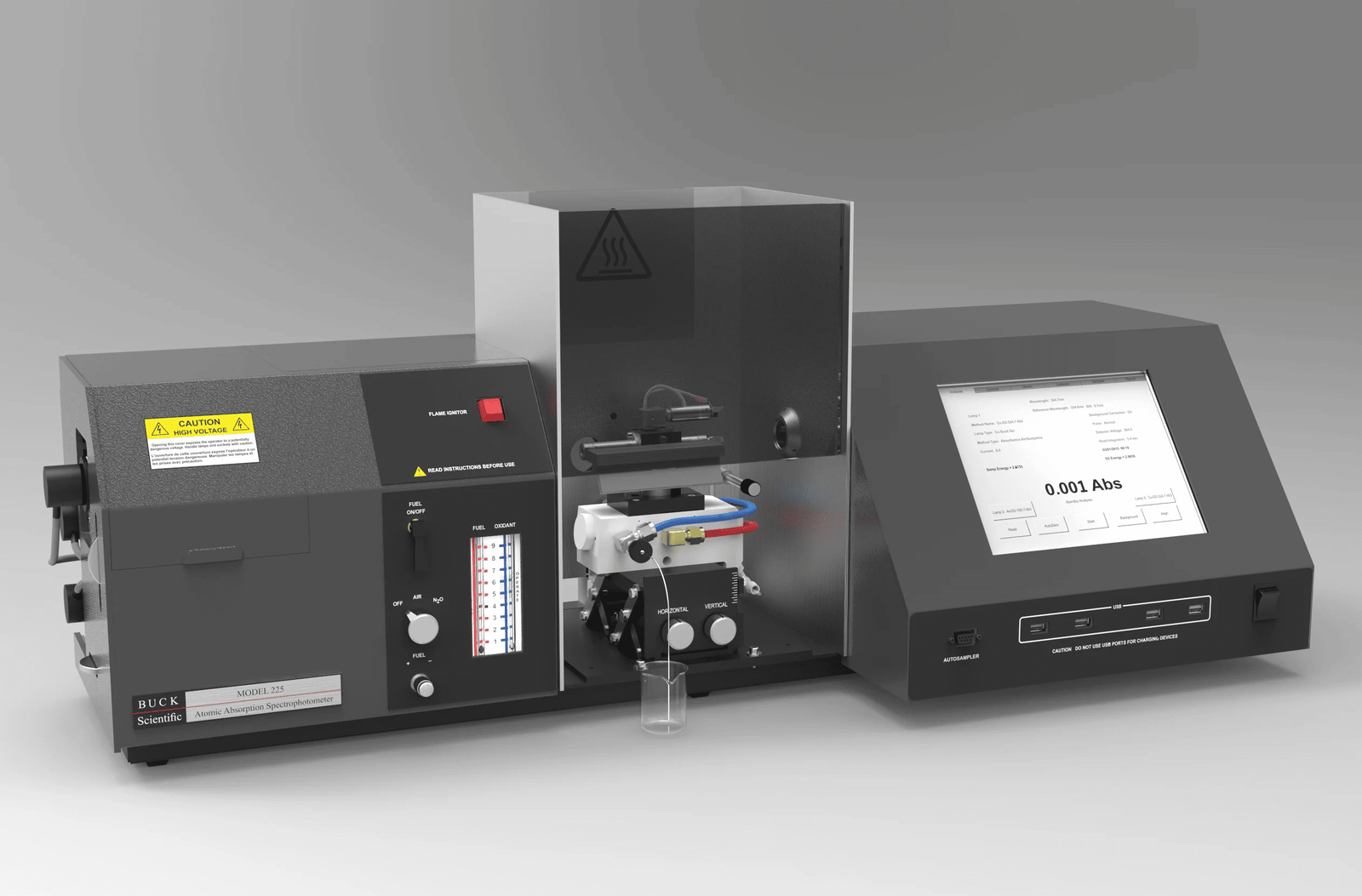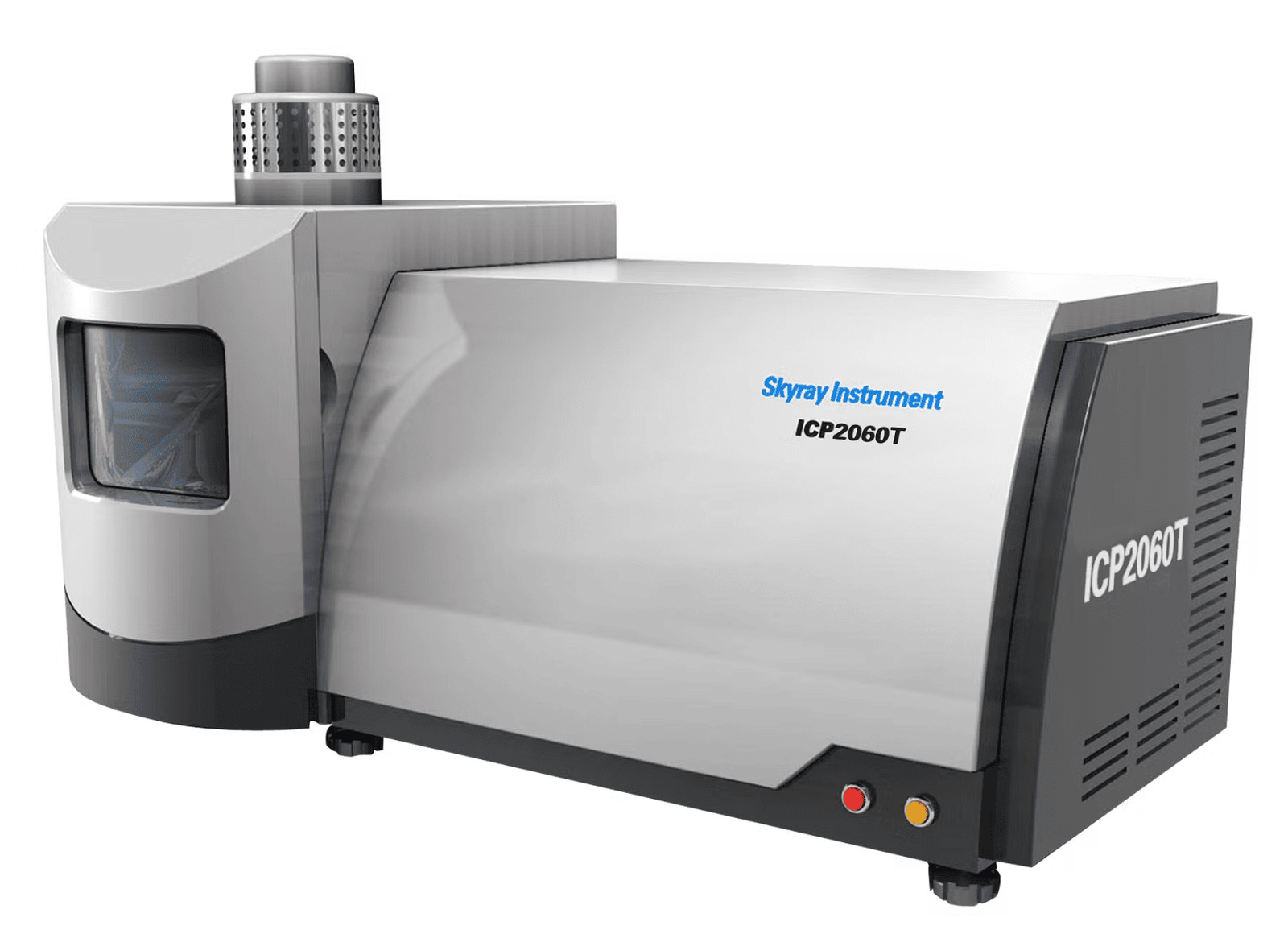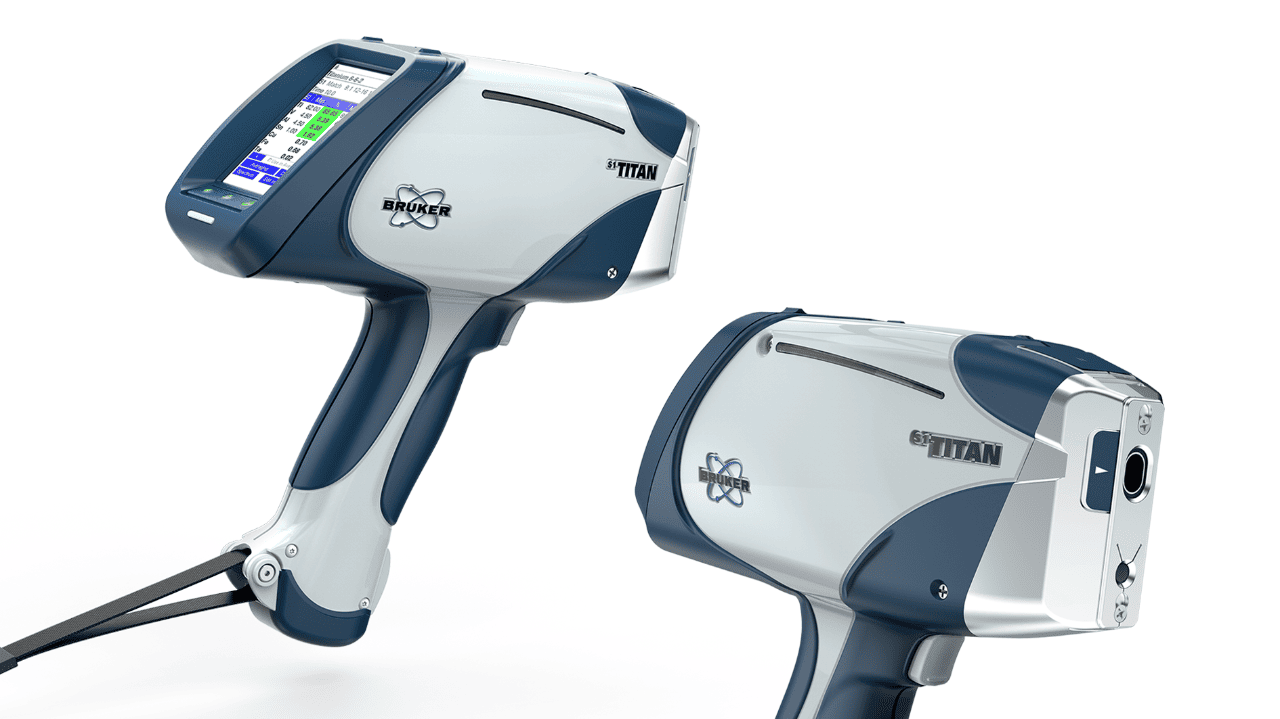
A spectrometer is a scientific instrument used to measure and analyze the properties of light or other electromagnetic radiation. It works by separating light into its component wavelengths (spectrum) and detecting the intensity at each wavelength. This information is crucial for identifying materials, analyzing chemical composition, and studying physical properties of substances in fields like chemistry, physics, astronomy, and environmental science.
Light source interacts with a sample.
The resulting light is dispersed (split) by a prism or diffraction grating.
A detector measures the intensity of light at different wavelengths.
The result is a spectrum, which shows the presence and concentration of various elements or compounds.
Mass Spectrometer – Measures mass-to-charge ratio of ions
UV-Vis Spectrometer – Measures light absorbance in ultraviolet and visible regions
Infrared (IR) Spectrometer – Analyzes molecular vibrations
NMR Spectrometer – Examines atomic nuclei in magnetic fields
X-ray Spectrometer – Detects and analyzes X-rays emitted from a sample
Identifying unknown substances in chemistry labs
Monitoring air and water quality in environmental science
Quality control in pharmaceuticals and food industry
Analyzing stars and galaxies in astronomy
Forensic investigations and material testing