NDT

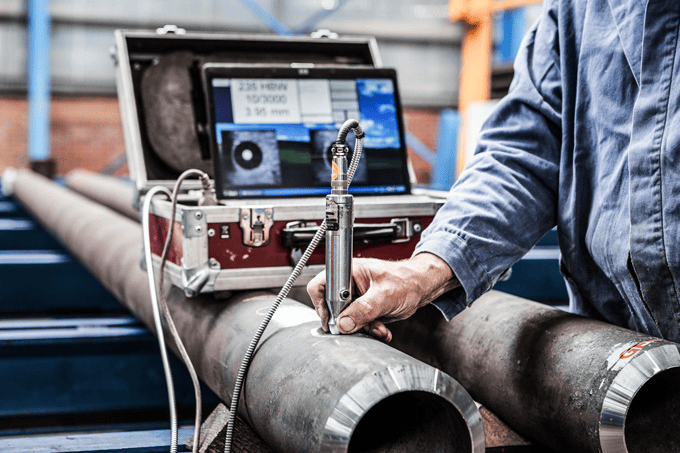
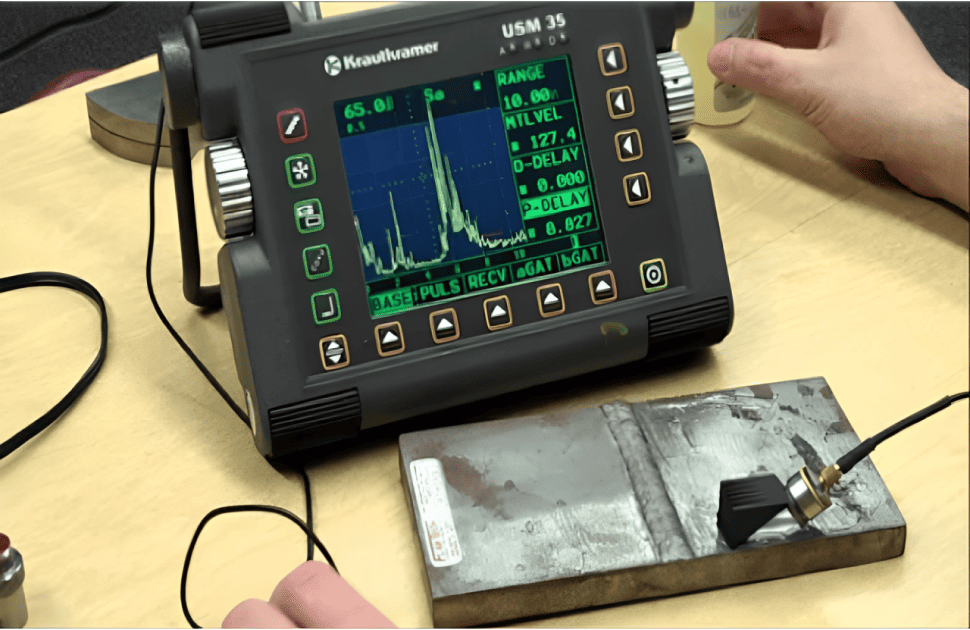
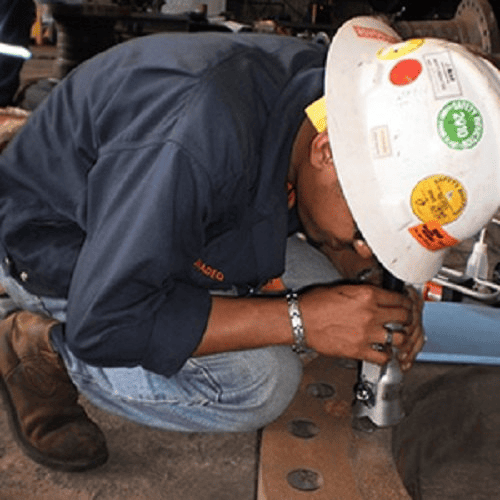
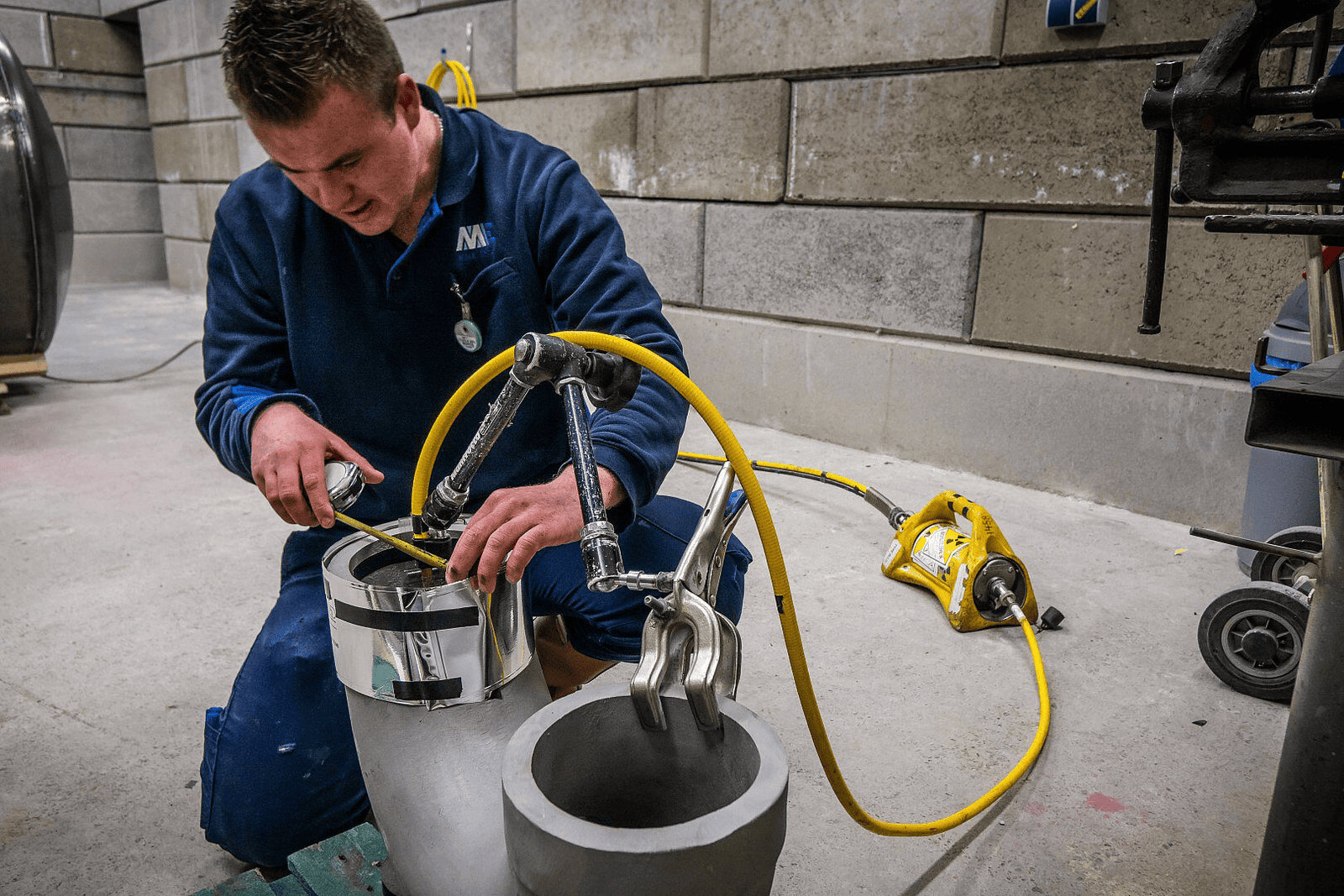
NDT, or Non-Destructive Testing, refers to a group of testing techniques used to evaluate the integrity, quality, or properties of a material, component, or structure without causing any damage. It plays a vital role in quality control, maintenance, and safety assurance across industries such as aerospace, oil & gas, automotive, construction, power generation, and manufacturing.


🛠️ Why NDT is Important:

  • Detects defects or irregularities without damaging the test object

  • Ensures product reliability and operational safety

  • Saves cost and time by allowing inspection without disassembly

  • Essential for preventive maintenance and life-cycle assessment


🔍 Common NDT Methods:

  1. Ultrasonic Testing (UT) – Uses high-frequency sound waves to detect internal flaws

  2. Radiographic Testing (RT) – Uses X-rays or gamma rays to view internal structures

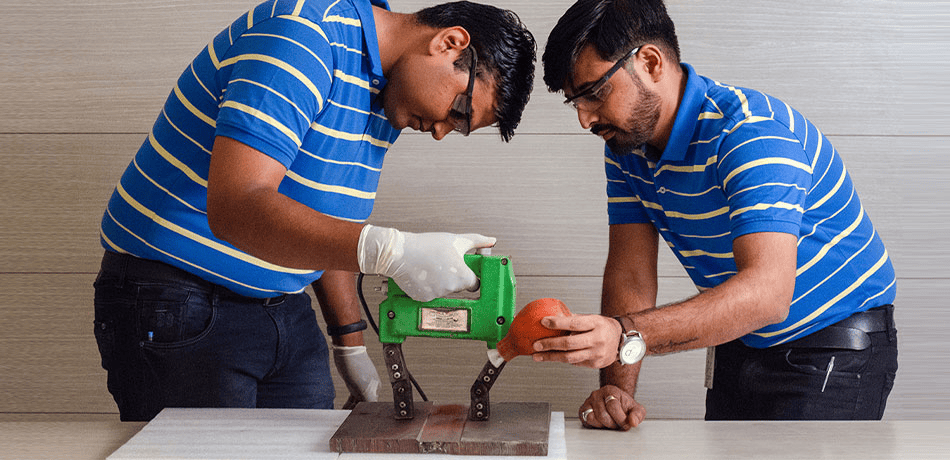
  3. Magnetic Particle Testing (MT) – Detects surface and near-surface cracks in ferromagnetic materials

  4. Dye Penetrant Testing (PT) – Reveals surface cracks using visible or fluorescent dye

  5. Visual Testing (VT) – Basic inspection technique using the human eye or tools like borescopes

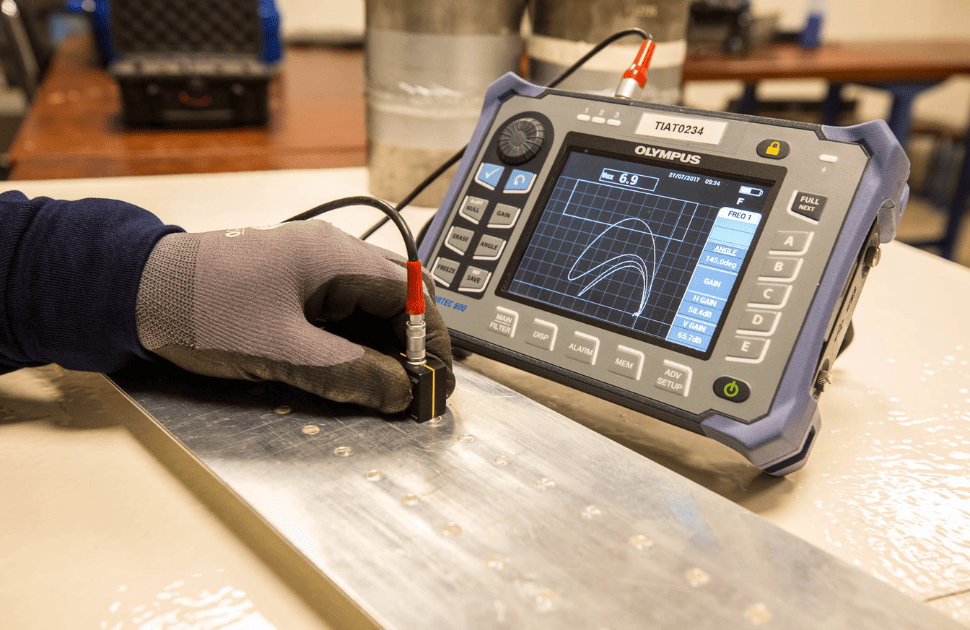
  6. Eddy Current Testing (ET) – Uses electromagnetic induction to detect flaws in conductive materials


🏭 Industries Using NDT:

  • Aerospace – Aircraft part inspections

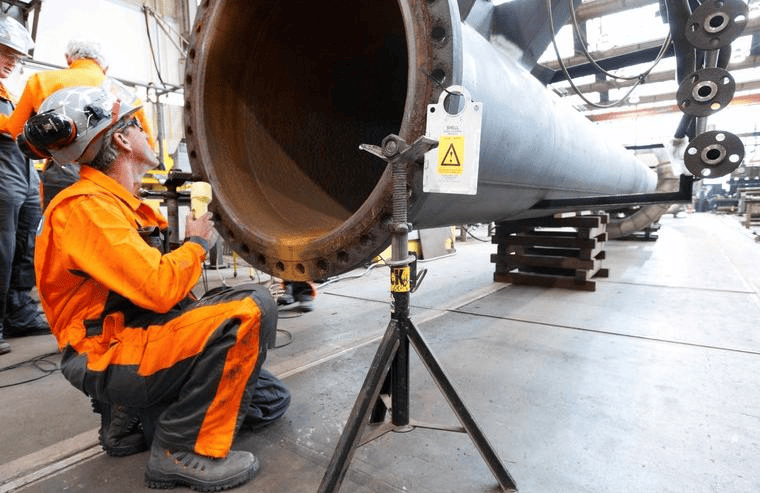
  • Oil & Gas – Pipeline and pressure vessel testing

  • Automotive – Component reliability checks

  • Construction – Weld inspections and structural integrity

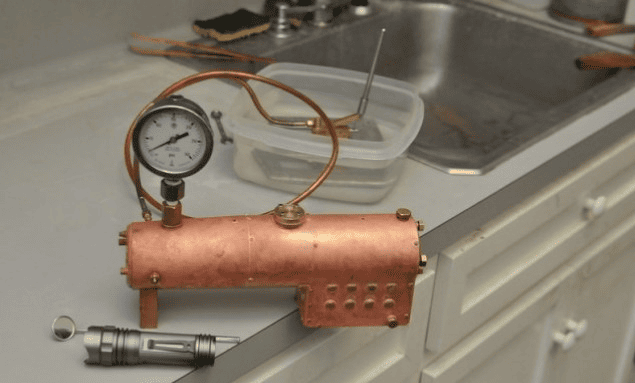
  • Power Plants – Turbine and boiler inspection

Follow Us

swachh_bharat
made_in_india
beti_bachao
75th independence day
swachh_bharat
made_in_india
beti_bachao
75th independence day

2025. Copyright sixsigma-tqm.in