Failure Analysis

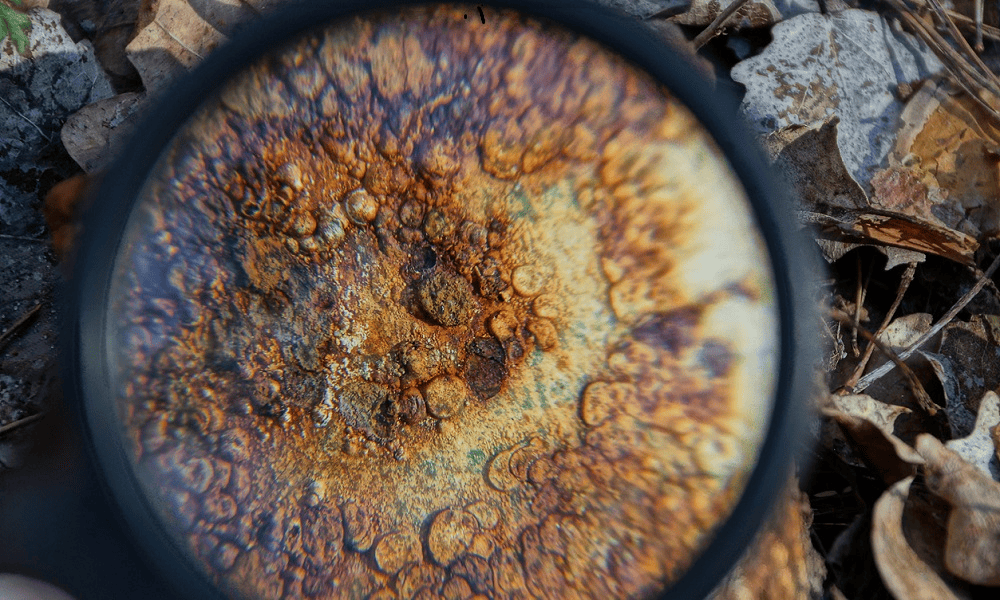
Failure Analysis is the systematic investigation of why a product, component, material, or system failed to perform as expected. The goal is to identify the root cause of failure, determine its effects, and recommend preventive actions to avoid recurrence. It is crucial in industries like aerospace, automotive, electronics, manufacturing, construction, and materials engineering.


🧪 Purpose of Failure Analysis:

  • Identify what went wrong

  • Determine how and why it happened

  • Assess impact on performance or safety

  • Recommend corrective and preventive actions

  • Improve product reliability and quality control


🧰 Common Techniques Used in Failure Analysis:

  1. Visual Inspection – First step to observe surface-level defects

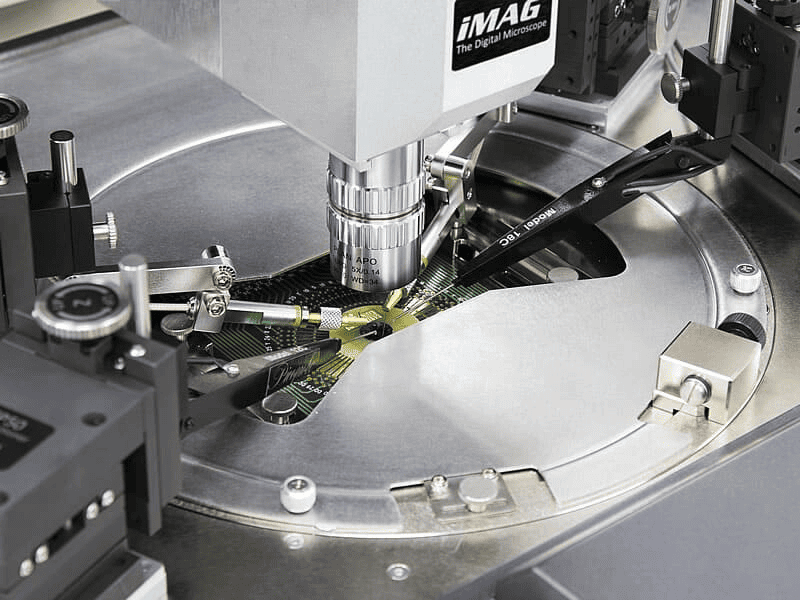
  2. Microscopy (SEM/Optical) – Reveals micro-cracks, grain structures

  3. Fractography – Analyzing fracture surfaces to find failure mode

  4. Chemical Analysis – Identifies material composition and contaminants

  5. Non-Destructive Testing (NDT) – Ultrasound, X-rays, dye penetrant tests

  6. Mechanical Testing – Measures hardness, tensile strength, fatigue resistance


🛠️ Common Causes of Failure:

  • Material defects or poor selection

  • Design flaws or stress concentrations

  • Manufacturing errors like improper welding or machining

  • Corrosion, fatigue, or wear over time

  • Environmental factors (heat, humidity, chemicals)


Applications of Failure Analysis:

  • Product recalls and warranty claims

  • Accident investigations

  • Legal and insurance cases

  • R&D and quality improvement

  • Maintenance planning in critical systems

Follow Us

swachh_bharat
made_in_india
beti_bachao
75th independence day
swachh_bharat
made_in_india
beti_bachao
75th independence day

2025. Copyright sixsigma-tqm.in